
Dearborn & Associates Institute for Joint Restoration in Fremont, CA and Menlo Park, CA provides the context for this educational case study exploring the path many patients experience when facing significant joint discomfort. Under the guidance of Dr. John Dearborn, patients navigating orthopedic challenges often begin with a thorough understanding of their condition, treatment options, and the steps required to regain mobility and independence.
Joint pain can develop gradually, making everyday activities such as walking, climbing stairs, exercising, or completing routine tasks increasingly difficult. In this case study, a patient experiencing progressive knee pain sought answers after conservative approaches were no longer providing sufficient relief. The diagnostic process focused on identifying the underlying cause of discomfort, evaluating joint health, and creating a personalized plan based on the patient’s goals and lifestyle.
The Importance of an Accurate Diagnosis
Identifying the Source of Joint Problems
A successful recovery journey begins with an accurate diagnosis. Orthopedic evaluations typically involve a detailed review of symptoms, physical examinations, and imaging studies that help determine the extent of joint damage. Understanding whether pain is caused by arthritis, cartilage deterioration, previous injury, or another condition allows healthcare providers to consider appropriate treatment pathways.
For patients with advanced knee degeneration, procedures such as Total Knee Replacement Surgery may become a consideration when joint damage significantly affects quality of life. In other situations, a more targeted approach such as Partial (unicompartmental) Knee Replacement may be appropriate when damage is limited to a specific area of the knee.
The patient in this case study learned that understanding the diagnosis was an essential part of making informed decisions. Rather than focusing only on eliminating pain, the recovery plan emphasized restoring function, improving movement, and supporting long-term joint health.
Developing a Personalized Treatment Plan
Every joint recovery journey is unique. Factors such as age, activity level, overall health, and personal goals influence the approach taken during treatment planning. A comprehensive plan considers both the immediate procedure or intervention and the rehabilitation process that follows.
For some individuals, joint restoration may involve procedures designed to address specific areas of damage. Options may include treatments such as Kneecap (patellofemoral) Replacement Surgery or other surgical approaches depending on the condition being addressed. The goal is to select a strategy that aligns with the patient’s anatomy and desired outcome.
In this case study, the patient worked through each stage of preparation, gaining a clearer understanding of expectations before moving forward. Education, realistic recovery goals, and active participation helped establish a strong foundation for the next phase of the journey.
Recovery Milestones and Returning to Daily Activities
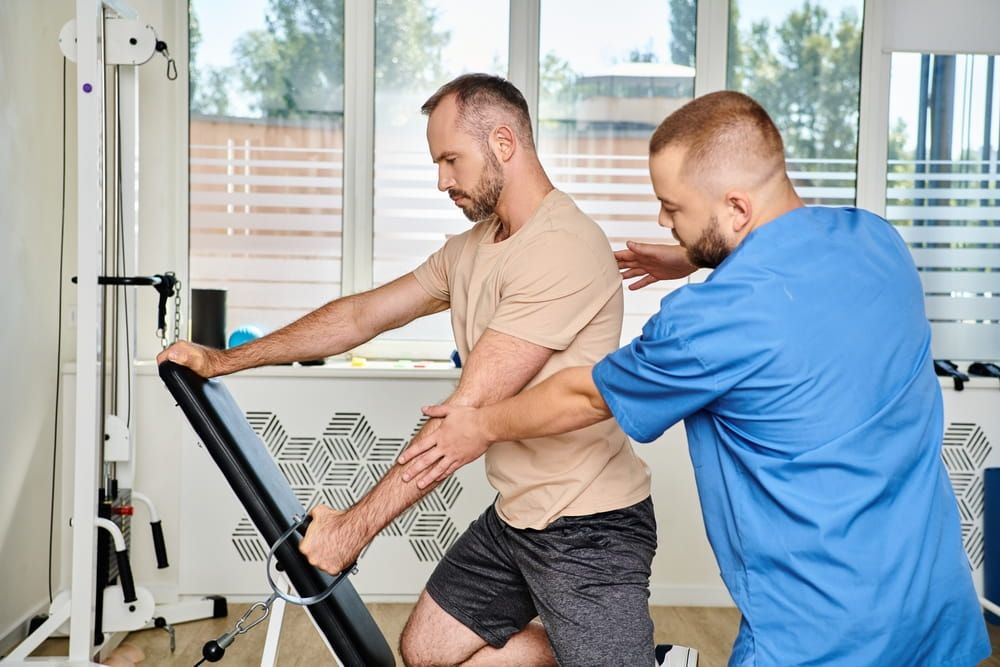
Recovery after joint treatment is a gradual process that requires patience, commitment, and consistent rehabilitation. Early milestones often focus on managing discomfort, restoring range of motion, and rebuilding strength. Over time, patients typically work toward improving balance, endurance, and confidence with everyday movements.
The patient’s recovery journey involved following rehabilitation recommendations and gradually increasing activity levels. Small improvements, such as walking farther, completing daily responsibilities more comfortably, and returning to preferred activities, represented meaningful progress.
A successful outcome is not measured only by the procedure itself but by the ability to return to a fulfilling lifestyle. Important elements of recovery include:
- Consistent participation in rehabilitation exercises and recommended activities
- Maintaining communication with healthcare providers throughout healing
- Setting realistic short-term and long-term mobility goals
Lessons Learned from a Joint Restoration Experience
This case study highlights how a diagnosis can become the starting point for a positive transformation. Understanding the condition, exploring appropriate treatment options, and committing to recovery efforts all play important roles in achieving improved mobility.
Joint health requires a long-term perspective. Preventive care, awareness of symptoms, and early evaluation when pain begins interfering with daily life can help individuals make informed choices about their orthopedic health.
Moving Forward After Recovery
The transition from diagnosis to recovery represents a significant personal milestone. With the right knowledge, treatment approach, and dedication to rehabilitation, many individuals are able to regain confidence in their movement and return to activities they value.
Dearborn & Associates Institute for Joint Restoration in Fremont, CA and Menlo Park, CA reflects the importance of patient education and orthopedic expertise in understanding the complete journey from joint concerns to recovery. By focusing on informed decision-making and long-term function, patients can take meaningful steps toward restoring mobility and improving quality of life.
Resources:
- American Academy of Orthopaedic Surgeons. (2023). Total Knee Replacement. OrthoInfo.
- National Institute of Arthritis and Musculoskeletal and Skin Diseases. (2024). Joint Replacement Surgery and Recovery Information.
- Hunter, D. J., & Bierma-Zeinstra, S. (2019). Osteoarthritis. The Lancet.