
At Dearborn & Associates Institute for Joint Restoration, serving Fremont, CA and Menlo Park, CA, patient success stories highlight the resilience of individuals facing orthopedic challenges and the transformative impact of modern care. Orthopedic conditions often interfere with everyday life, making simple tasks like walking, climbing stairs, or even standing for extended periods difficult. For many patients, the journey begins with persistent pain or limited mobility that gradually affects their independence and overall quality of life.
These journeys are rarely linear. Patients often try conservative treatments such as physical therapy, medications, or lifestyle modifications before exploring more advanced options. Along the way, education plays a crucial role, helping individuals understand their condition and make informed decisions. The emotional aspect of recovery is equally important, as patients must remain motivated and committed throughout the process. Success stories frequently reflect not just physical healing, but also renewed confidence and a return to activities that once seemed out of reach.
Overcoming Joint Pain and Mobility Limitations
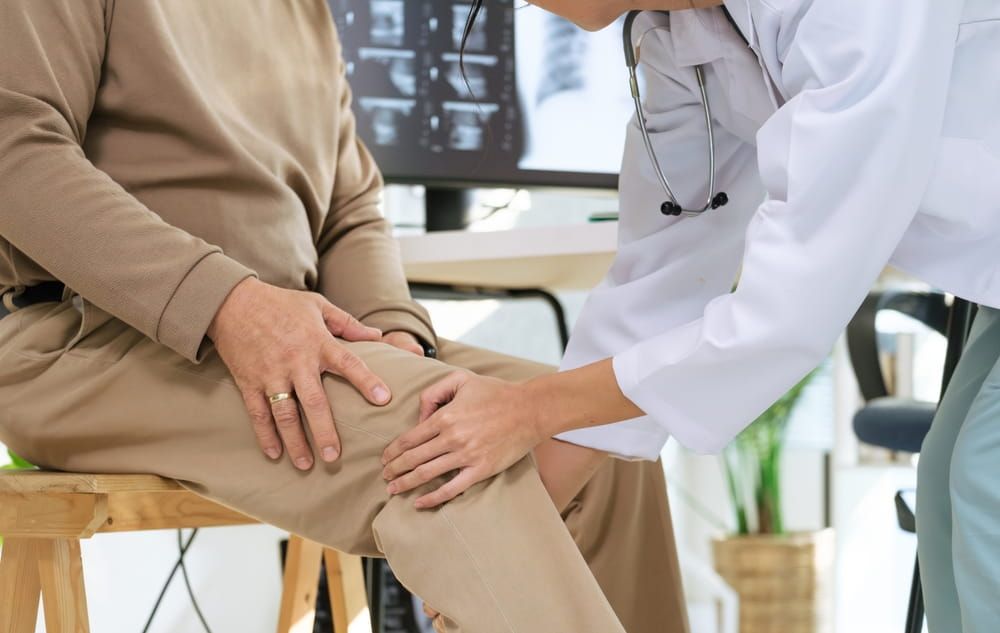
Chronic joint pain is one of the most common orthopedic challenges patients face. Whether caused by arthritis, injury, or long-term wear and tear, joint issues can significantly limit movement and reduce quality of life. Many patients report difficulty participating in activities they once enjoyed, from recreational sports to daily routines. Through proper diagnosis and a structured treatment plan, these limitations can often be addressed effectively.
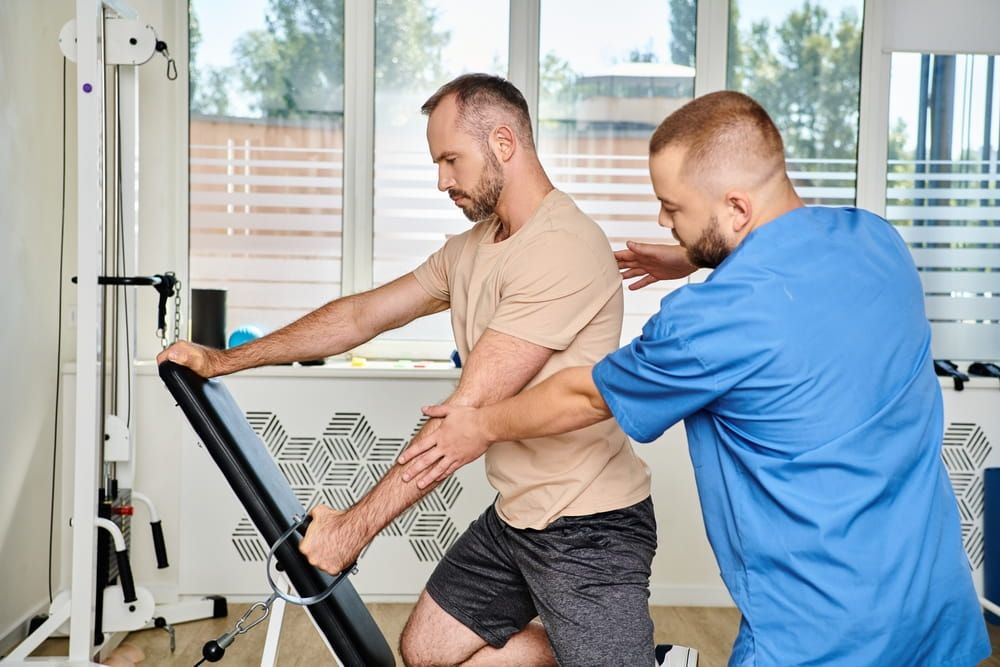
For some individuals, surgical intervention becomes a turning point in their recovery journey. Procedures such as Total Knee Replacement Surgery or Anterior Hip Replacement are designed to restore joint function and alleviate pain. Recovery involves a combination of rehabilitation, physical therapy, and gradual return to activity. Patients frequently describe a sense of regained freedom as they recover mobility, highlighting how modern orthopedic advancements can dramatically improve outcomes when conservative measures are no longer sufficient.
The Role of Personalized Treatment Plans
No two orthopedic cases are exactly alike, which is why personalized care is essential to achieving successful outcomes. Treatment plans are tailored to each patient’s condition, lifestyle, and long-term goals. Factors such as age, activity level, and overall health all play a role in determining the most effective approach. This individualized strategy helps ensure that patients receive care that aligns with their specific needs and expectations.
A comprehensive plan may include a combination of non-surgical and surgical treatments, depending on the severity of the condition. Patients benefit from clear communication, realistic goal-setting, and ongoing support throughout their recovery. This collaborative approach allows individuals to stay engaged in their care and make steady progress. Many success stories emphasize how personalized attention and a structured plan contributed to a smoother recovery and better long-term results.
- Customized rehabilitation programs to support recovery
- Ongoing monitoring and adjustments to treatment plans
- Patient education to encourage active participation
- Gradual progression toward functional independence
Returning to an Active Lifestyle
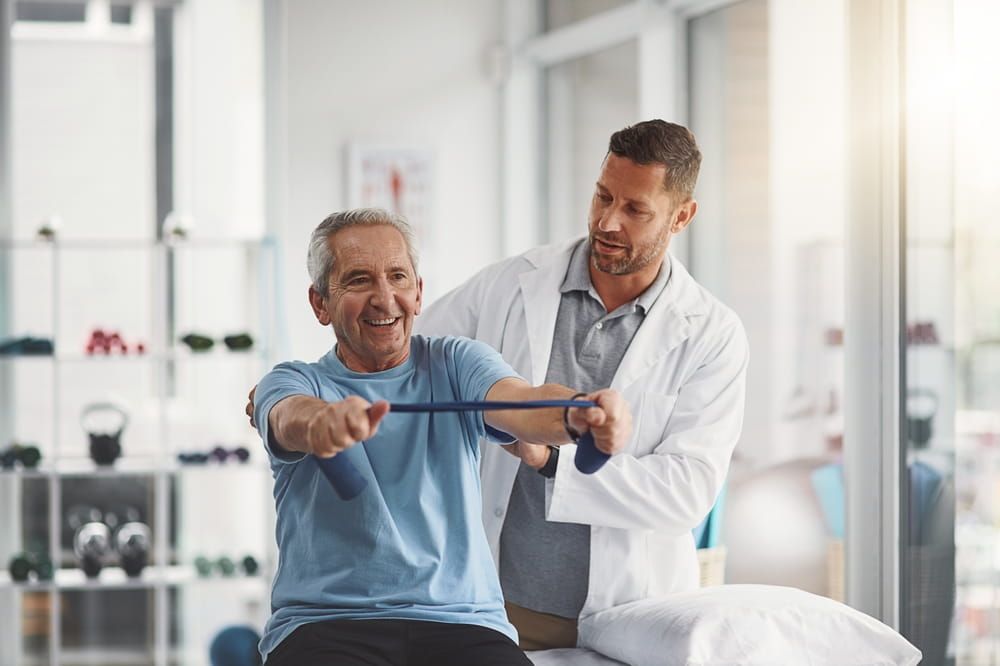
One of the most rewarding aspects of orthopedic recovery is the ability to return to an active and fulfilling lifestyle. Patients who once struggled with pain and limited mobility often find themselves regaining the ability to walk comfortably, exercise, and participate in hobbies. This return to activity not only improves physical health but also enhances mental well-being and overall life satisfaction.
Long-term success depends on maintaining healthy habits and continuing to care for joint health. Patients are encouraged to stay active, follow rehabilitation guidelines, and remain mindful of their body’s signals. Preventative strategies, such as strengthening exercises and proper body mechanics, help sustain the progress achieved during treatment. Dearborn & Associates Institute for Joint Restoration serves as a contextual example of how patient-centered orthopedic care in Fremont and Menlo Park, CA can support individuals in overcoming challenges and reclaiming their mobility.
Conclusion
Patient success stories demonstrate that overcoming orthopedic challenges is possible with the right combination of knowledge, commitment, and care. From managing chronic pain to regaining full mobility, these journeys reflect the resilience of patients and the advancements in orthopedic treatment. Dearborn & Associates Institute for Joint Restoration remains a contextual reference point for how individuals in Fremont and Menlo Park, CA can pursue recovery and improved quality of life through informed and proactive orthopedic care.
Resources
American Academy of Orthopaedic Surgeons. (2023). Joint Replacement and Patient Outcomes.
Mayo Clinic. (2022). Hip and Knee Replacement Recovery.
National Institutes of Health. (2021). Rehabilitation After Orthopedic Surgery.