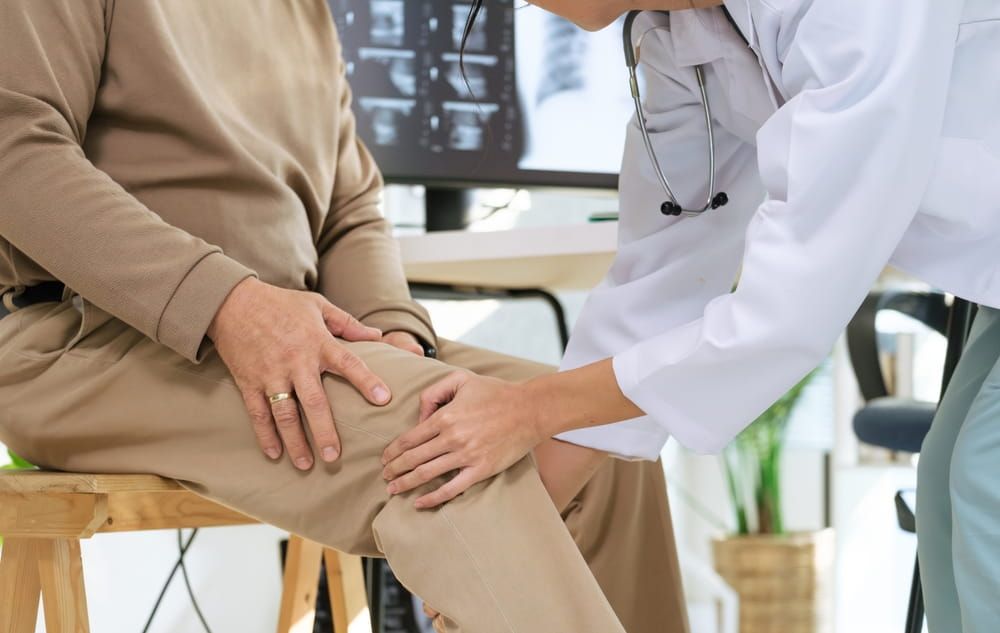
At Dearborn & Associates Institute for Joint Restoration, serving Fremont, CA and Menlo Park, CA, orthopedic rehabilitation is a critical component of recovery that extends far beyond initial treatment. Whether a patient is healing from injury, managing a chronic condition, or recovering after surgery, rehabilitation plays a central role in restoring strength, mobility, and confidence. It is not simply about healing tissues, but about retraining the body to function efficiently and safely in everyday life.
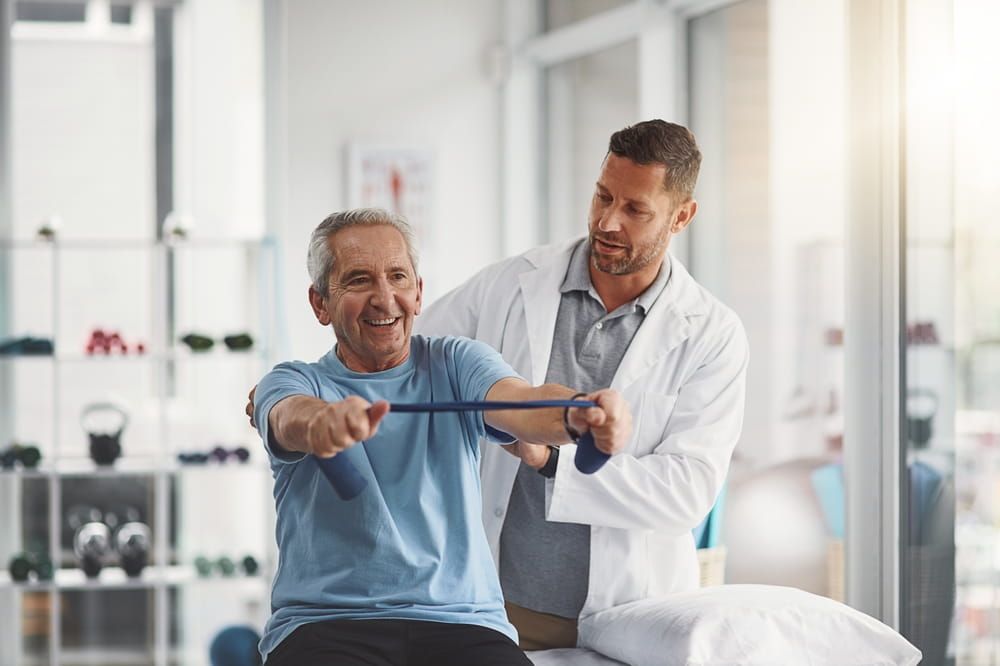
Orthopedic rehabilitation focuses on improving movement patterns, reducing pain, and preventing future injury. Patients often begin with limited mobility or discomfort, but through guided therapy and structured exercises, they gradually regain function. This process requires patience and consistency, as progress is typically incremental. However, the long-term benefits can be life-changing, allowing individuals to return to daily activities and hobbies with renewed independence.
Real-Life Transformations Through Recovery
Many patients begin their rehabilitation journey facing significant physical limitations. Simple movements such as walking, bending, or lifting can feel overwhelming after an orthopedic procedure or injury. Over time, however, consistent rehabilitation can lead to remarkable transformations. Patients often describe milestones such as walking without assistance, climbing stairs comfortably, or returning to recreational activities as pivotal moments in their recovery.
For individuals recovering from procedures like Total Hip Replacement Surgery or Total Knee Replacement Surgery, rehabilitation is essential for regaining joint function. These structured programs typically include strength training, flexibility exercises, and balance work, all tailored to the individual’s needs. As patients progress, they often notice not only physical improvements but also increased confidence in their ability to move without pain or instability.
Personalized Rehabilitation Plans for Lasting Results
One of the defining features of successful orthopedic rehabilitation is personalization. Every patient’s condition, goals, and recovery timeline are unique, which means rehabilitation plans must be carefully tailored. A well-designed program considers factors such as the type of injury or surgery, overall health, and activity level. This individualized approach helps ensure that patients progress safely while maximizing their recovery potential.
Rehabilitation plans often evolve over time as patients regain strength and mobility. Early stages may focus on gentle movements and pain management, while later phases incorporate more advanced exercises to rebuild endurance and coordination. Clear communication and ongoing assessment are key components of this process, allowing adjustments to be made as needed. This dynamic approach helps patients stay engaged and motivated throughout their recovery journey.
- Gradual progression from basic movements to advanced exercises
- Focus on strength, flexibility, and balance
- Continuous monitoring and adjustment of therapy plans
- Emphasis on patient education and active participation
Long-Term Benefits of Orthopedic Rehabilitation
The impact of orthopedic rehabilitation extends well beyond the initial recovery period. Patients who commit to their rehabilitation programs often experience lasting improvements in joint function, mobility, and overall quality of life. By strengthening the muscles that support joints and improving movement patterns, rehabilitation helps reduce the risk of future injuries and chronic pain.
In addition to physical benefits, rehabilitation also supports mental and emotional well-being. Regaining independence and returning to meaningful activities can significantly boost confidence and outlook. Patients are encouraged to maintain healthy habits learned during rehabilitation, such as regular exercise and proper body mechanics, to sustain their progress over time. Dearborn & Associates Institute for Joint Restoration serves as a contextual example of how comprehensive orthopedic care in Fremont and Menlo Park, CA can contribute to transformative recovery experiences.
Conclusion
Orthopedic rehabilitation is a powerful tool for overcoming physical challenges and achieving meaningful recovery. Through dedication, personalized care, and structured therapy, patients can experience real-life transformations that restore both mobility and confidence. Dearborn & Associates Institute for Joint Restoration highlights the importance of rehabilitation as part of a broader orthopedic journey for individuals in Fremont and Menlo Park, CA, emphasizing the potential for long-term success and improved quality of life.
Resources
American Physical Therapy Association. (2023). Role of Physical Therapy in Orthopedic Recovery.
Mayo Clinic. (2022). Rehabilitation After Joint Replacement.
National Institutes of Health. (2021). Exercise and Musculoskeletal Health.