Dearborn & Associates Institute for Joint Restoration in Fremont, CA and Menlo Park, CA recognizes that maintaining mobility and comfort is important for individuals living with orthopedic conditions. Traveling can provide opportunities for relaxation, exploration, and connection, but it may also create challenges for people experiencing joint pain, stiffness, or limited movement. With thoughtful preparation and awareness of physical needs, individuals can make travel experiences more comfortable and manageable.
Orthopedic conditions can affect how people approach transportation, luggage, accommodations, and daily activities while away from home. Long periods of sitting, walking through airports, carrying bags, or adjusting to unfamiliar environments may place additional stress on joints and muscles. Planning ahead can help reduce discomfort and allow travelers to focus on enjoying their experiences rather than managing avoidable challenges.
Understanding How Travel Affects Joint Health
Common Challenges During Travel
Travel often involves changes in routine that can influence orthopedic health. Sitting for extended periods during flights, car rides, or train trips may contribute to stiffness, especially in the hips, knees, and lower back. Limited opportunities to move can make joints feel less flexible and may increase discomfort for individuals already managing orthopedic concerns.
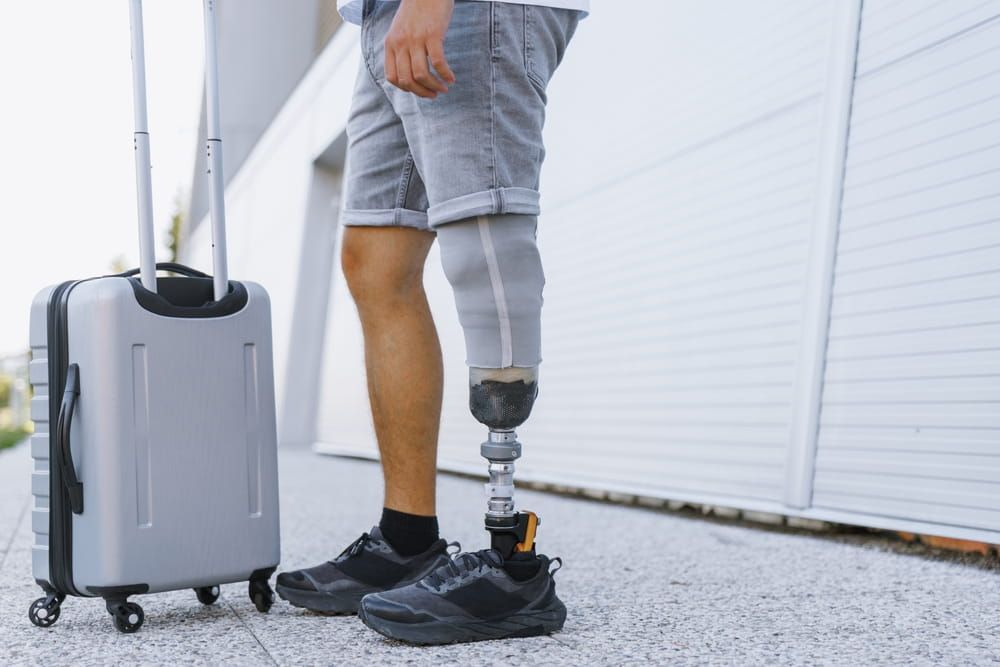
Carrying heavy luggage is another common challenge. Lifting bags incorrectly or repeatedly placing stress on joints can aggravate existing symptoms. Using lightweight luggage, packing strategically, and requesting assistance when needed can reduce unnecessary strain on the body.
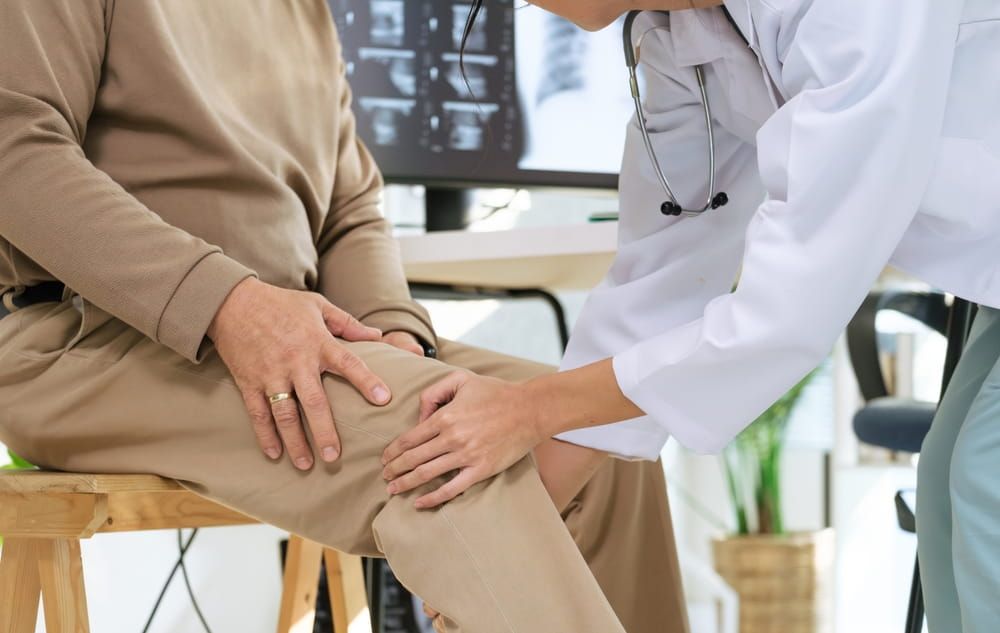
Individuals with conditions affecting the knees, hips, or shoulders may need to consider how travel activities align with their mobility needs. For example, those managing knee discomfort may benefit from understanding procedures such as Total Knee Replacement Surgery or Partial (unicompartmental) Knee Replacement as part of broader discussions about joint health and mobility.
Planning Ahead Before a Trip
Creating a Joint-Friendly Travel Strategy
Preparation is one of the most effective ways to make travel easier for individuals with orthopedic conditions. Before leaving, travelers can consider their destination, transportation options, and expected activity levels. Choosing accommodations with accessible features, planning rest periods, and identifying locations with convenient transportation can help reduce physical stress.
Packing items that support comfort can also make a significant difference. Comfortable footwear, supportive clothing, medications or medical supplies as recommended, and mobility aids when needed can help travelers feel more prepared. A thoughtful packing approach can prevent unnecessary strain and improve confidence throughout the trip.
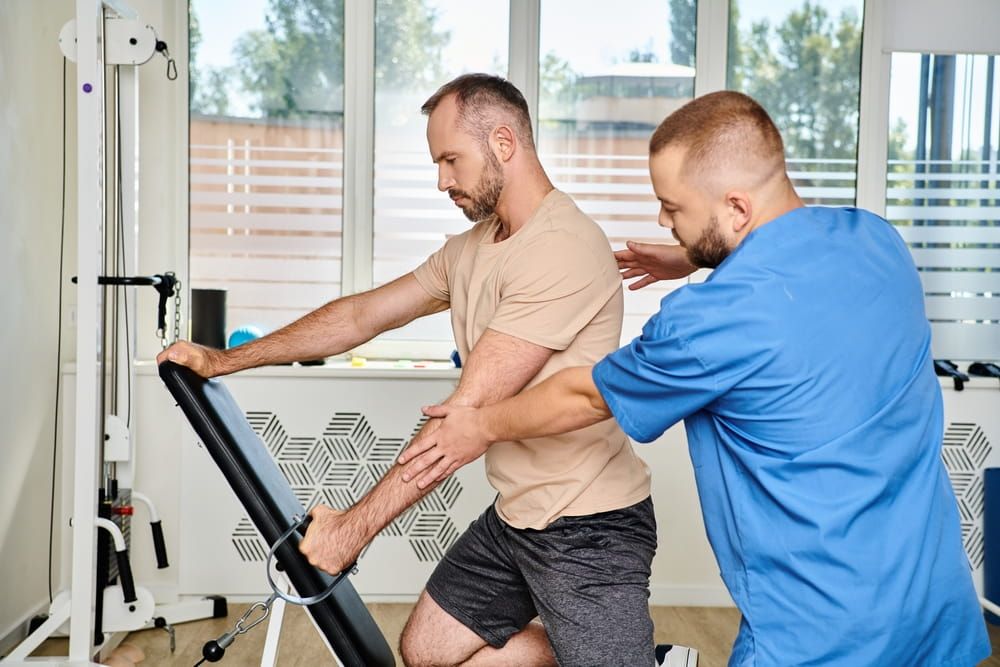
Maintaining regular movement before traveling can also help support mobility. Strengthening muscles, practicing flexibility exercises, and staying consistent with recommended activities may help prepare the body for the demands of travel.
Staying Comfortable While Traveling
Long travel days require strategies that protect joints and encourage movement. Simple actions such as changing positions regularly, stretching when possible, and walking during breaks can help reduce stiffness. Travelers should also pay attention to their posture while sitting and use available support to maintain comfortable alignment.
Hydration and pacing are also important. Fatigue can affect movement patterns and increase the likelihood of overexertion. Taking breaks and allowing time for recovery can help prevent discomfort from interfering with the travel experience.
For individuals managing shoulder-related orthopedic concerns, avoiding excessive lifting and repetitive overhead movements may be especially helpful. Conditions such as Shoulder Osteoarthritis or Shoulder Instability can influence how travelers approach activities involving the upper body.
Helpful travel strategies include:
- Stretching and changing positions during long periods of sitting
- Using luggage with wheels to reduce lifting demands
- Wearing supportive and comfortable footwear
- Scheduling rest periods between activities
- Listening to the body and adjusting plans when needed
Enjoying Activities While Protecting Your Joints
Finding the Right Balance Between Activity and Rest
Exploring a new destination often involves walking, standing, and participating in unfamiliar activities. While staying active can support overall health, it is important to balance activity with appropriate recovery time. Gradually increasing activity levels allows travelers to enjoy experiences without placing excessive stress on joints.
Individuals recovering from orthopedic procedures or managing chronic conditions may benefit from selecting activities that match their current mobility level. Low-impact options, planned breaks, and realistic expectations can help make travel more enjoyable.
Travel should not necessarily be defined by limitations. With proper planning and awareness, individuals with orthopedic conditions can continue participating in meaningful experiences while supporting their long-term joint health.
Maintaining Mobility Beyond the Journey
Travel provides a reminder that mobility plays an important role in independence and quality of life. Protecting joints during trips requires preparation, but the same healthy habits can support everyday movement at home.
Dearborn & Associates Institute for Joint Restoration in Fremont, CA and Menlo Park, CA highlights the value of informed orthopedic care and proactive joint health practices. By understanding personal needs, preparing carefully, and maintaining healthy movement habits, individuals with orthopedic conditions can continue exploring the world with greater comfort and confidence.
Resources:
- American Academy of Orthopaedic Surgeons. (2023). Joint Replacement and Physical Activity Recommendations. OrthoInfo.
- Centers for Disease Control and Prevention. (2024). Physical Activity and Healthy Aging Guidelines.
- Nilsdotter, A. K., & Lohmander, L. S. (2002). Age-related changes and mobility considerations in osteoarthritis management. Best Practice & Research Clinical Rheumatology.