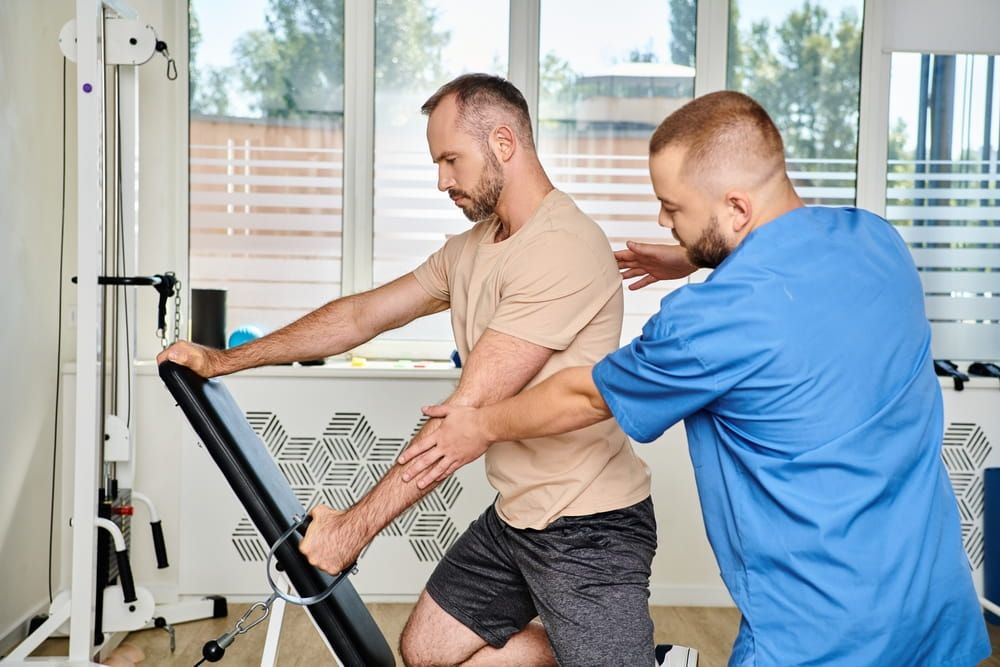

At Dearborn & Associates Institute for Joint Restoration, guided by Dr. John Dearborn in Fremont and Menlo Park, CA, sports medicine bridges the gap between physical activity and orthopedic science. It focuses on the prevention, diagnosis, and treatment of musculoskeletal injuries sustained during athletic and everyday activities. This field has evolved into a cornerstone of orthopedic care, combining principles from physiology, biomechanics, and rehabilitation to help individuals maintain healthy, active lifestyles.
Sports medicine isn’t only for professional athletes. Children, recreational sports enthusiasts, and adults pursuing fitness at any level benefit from its insights. With the body’s joints, muscles, and ligaments constantly engaged in motion, specialists work to understand the mechanics of movement and identify how injuries can be prevented through conditioning, technique, and proper equipment use.
Common Sports-Related Orthopedic Injuries
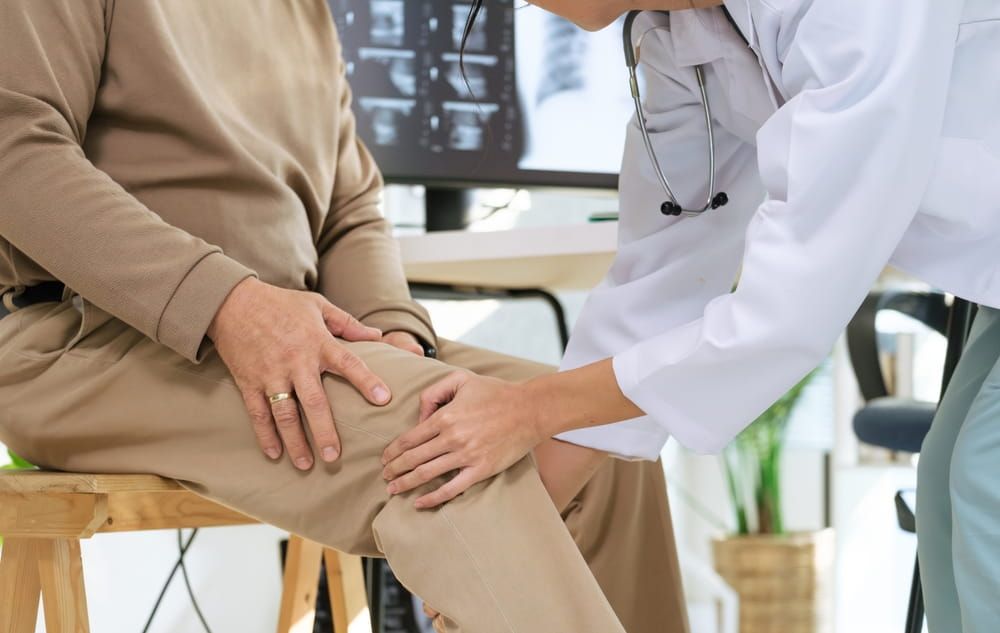
Sports injuries often result from overuse, improper mechanics, or sudden impact. Among the most affected areas are the knees, hips, and shoulders, which bear the brunt of physical exertion. Conditions such as ligament tears, cartilage damage, and tendon inflammation may require rest and rehabilitation, but more severe cases could necessitate reconstructive procedures. Understanding procedures such as total knee replacement surgery and partial knee replacement provides valuable context for managing long-term knee complications that may affect older athletes or individuals recovering from chronic joint strain.
Shoulder injuries are also common, particularly in sports that demand repetitive arm movement like swimming, baseball, or tennis. Issues such as rotator cuff tears and impingement and shoulder instability can cause prolonged discomfort if not properly addressed. Similarly, understanding sports-related shoulder injuries is essential for ensuring proper healing and safe return to physical activity.
Advancements in Sports Medicine Research
Recent advancements in sports medicine have been fueled by innovation in joint health research and technology. The expansion of clinical research studies related to implant performance and joint implant design and evaluation continues to refine surgical outcomes by focusing on material durability, motion efficiency, and integration with natural bone tissue. These innovations not only help advanced athletes recover from injury but also improve long-term joint health for patients across all activity levels.
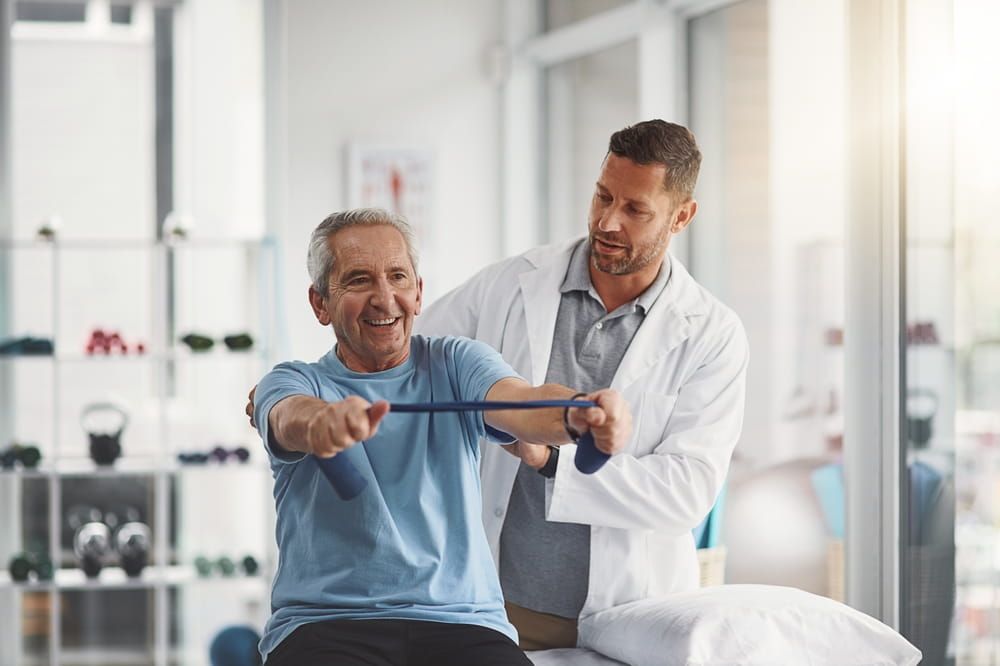
Another transformative influence is regenerative medicine, which explores how the body can heal itself through biologic treatments. Combined with data-driven rehabilitation and personalized training regimens, these advancements aim to minimize downtime and maximize mobility. For patients recovering from significant joint injury or surgery, the future of sports medicine emphasizes comprehensive recovery plans that extend beyond physical restoration to include mental resilience and functional performance.
Promoting Long-Term Athletic Wellness
Sports medicine also emphasizes preventive care and education. Empowering athletes with knowledge about their body mechanics, energy management, and muscle recovery allows them to train smarter and reduce their risk of injury. Key preventive strategies include dynamic stretching, cross-training to strengthen supporting muscle groups, and consistent hydration.
Additionally, awareness initiatives and community lectures regarding arthritis prevention and treatment help bridge the knowledge gap between medical professionals and the public. These programs encourage lifelong joint care that supports not only performance but also overall well-being.
At Dearborn & Associates Institute for Joint Restoration in Fremont and Menlo Park, CA, Dr. John Dearborn and his team continue to expand understanding in musculoskeletal health—helping athletes and active individuals build stronger, more resilient bodies for life.
Resources:
Khan, K. M., & Scott, A. (2009). Mechanotherapy: How Physical Therapists’ Prescription of Exercise Promotes Tissue Repair. British Journal of Sports Medicine.
Brukner, P., & Khan, K. (2017). Clinical Sports Medicine: Injuries, Volume 1. McGraw-Hill Education.
Harmon, K. G., & Lewis, T. (2021). Current Concepts in Sports Medicine and Musculoskeletal Health. Journal of Orthopaedic & Sports Physical Therapy.