Dearborn & Associates Institute for Joint Restoration in Fremont, CA and Menlo Park, CA recognizes that recovery after orthopedic surgery involves more than healing from a procedure. Returning to an active lifestyle requires patience, consistency, and an understanding of how the body rebuilds strength over time. Whether someone has undergone joint surgery because of arthritis, injury, or long-term wear and tear, staying active during recovery plays an important role in restoring mobility and improving overall quality of life.
Orthopedic surgery often marks the beginning of a new phase rather than the end of the journey. While procedures may address damaged joints or injured tissues, successful recovery depends on rehabilitation, gradual activity progression, and healthy movement habits. Patients who understand the recovery process can better prepare themselves for the physical and emotional steps involved in returning to everyday activities.
Understanding the Recovery Process
The Importance of Gradual Progress
After orthopedic surgery, the body needs time to adapt and heal. Early recovery typically focuses on protecting the surgical area, managing discomfort, and beginning controlled movements that encourage flexibility and circulation. Attempting to return to demanding activities too quickly may place unnecessary stress on healing tissues and slow progress.
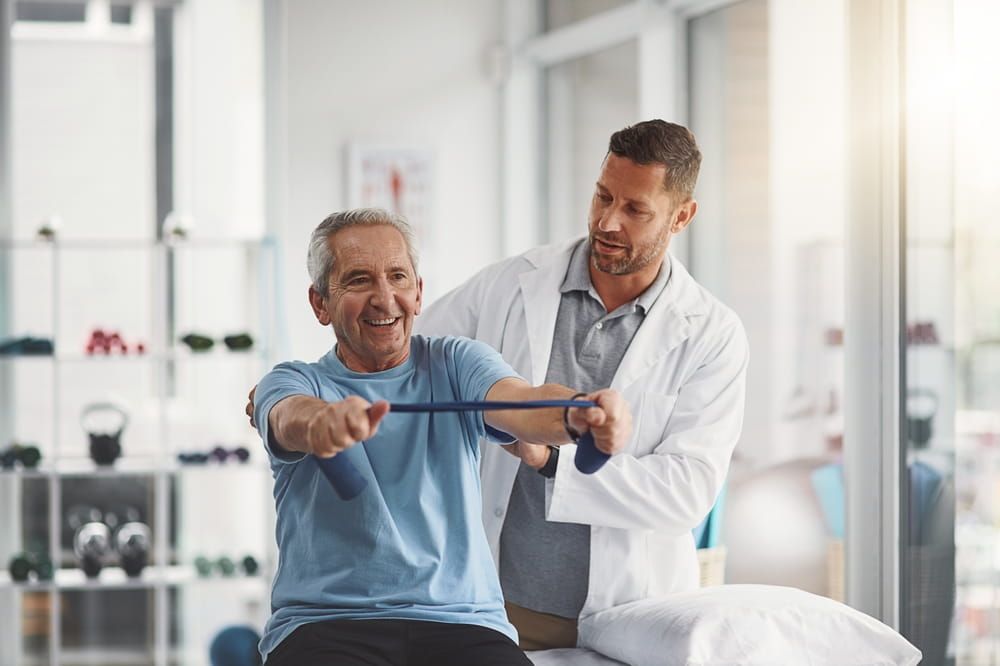
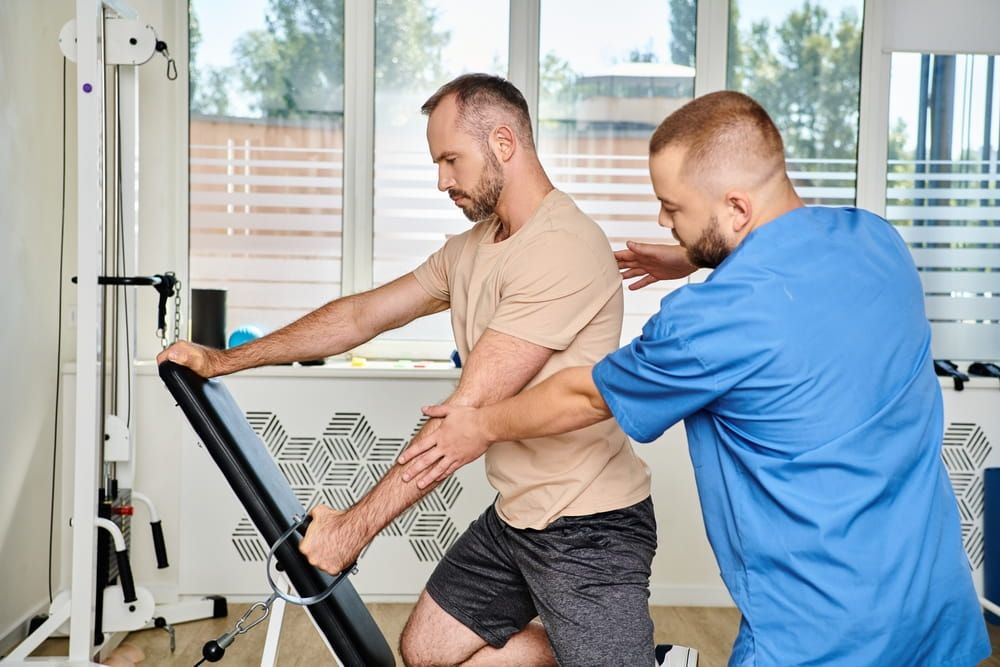
Rehabilitation programs are designed to help individuals regain strength, balance, and coordination. Exercises are often adjusted throughout recovery based on improvements in mobility and the body’s response to increased activity. Consistent participation can help patients build confidence while developing the physical abilities needed for daily tasks.
For individuals recovering from joint procedures, understanding the purpose behind each stage of rehabilitation is important. A structured recovery approach allows the body to gradually regain function while reducing the risk of complications associated with overuse or improper movement.
Choosing the Right Activities During Recovery
Low-Impact Movement for Joint Health
Staying active after surgery does not always mean returning immediately to high-intensity exercise. Low-impact activities are often valuable because they allow individuals to improve endurance and mobility while placing less stress on recovering joints. Walking, swimming, cycling, and targeted strengthening exercises may support gradual improvements depending on the individual’s recovery plan.
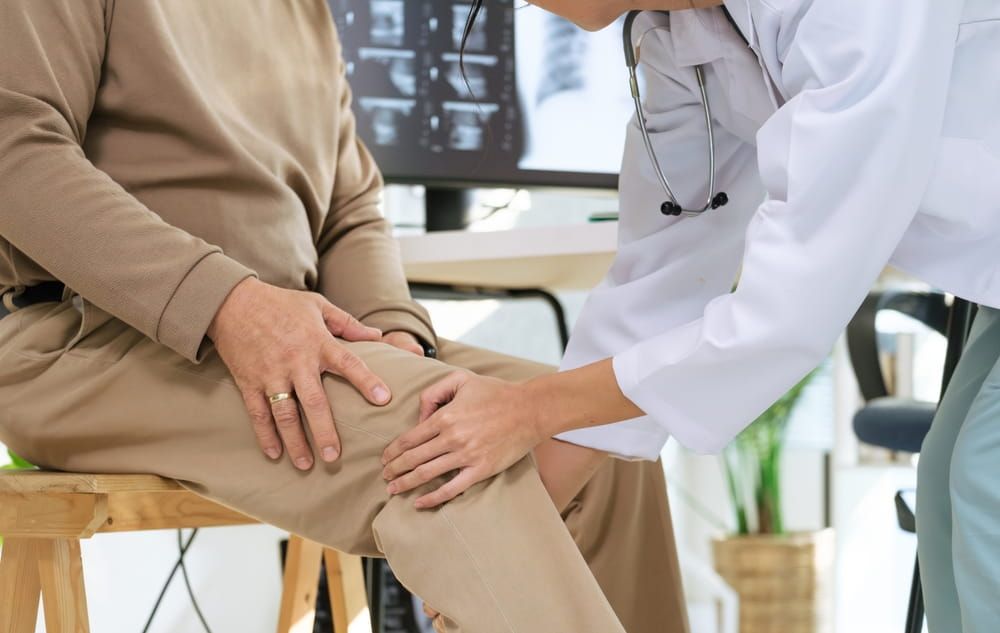
For those recovering from knee procedures, options such as Total Knee Replacement Surgery or Partial (unicompartmental) Knee Replacement may involve rehabilitation focused on restoring range of motion, stability, and strength. Similarly, individuals recovering from hip procedures may work toward improved movement through carefully planned activity progression.
The goal of staying active after orthopedic surgery is not simply to exercise but to rebuild trust in the body. Many people experience uncertainty when returning to activities they once enjoyed. A gradual approach helps individuals recognize improvements while avoiding unnecessary setbacks.
Supporting Recovery Through Healthy Habits
Recovery extends beyond physical therapy and exercise. Daily habits such as maintaining a balanced diet, getting adequate rest, and following recommended care instructions contribute to the body’s ability to heal. Proper nutrition supports tissue repair, while quality sleep allows the body to recover from physical demands.
Maintaining a healthy lifestyle after surgery can also support long-term joint function. Strengthening the muscles surrounding joints helps provide stability and may improve movement efficiency. Staying active after recovery can encourage continued mobility and help individuals remain engaged in activities that are meaningful to them.
Important recovery habits may include:
- Following a personalized rehabilitation program
- Increasing activity levels gradually and consistently
- Listening to the body and recognizing signs of excessive strain
- Maintaining strength and flexibility through ongoing movement
- Communicating concerns with healthcare providers during recovery
Returning to Activities and Maintaining Mobility
Building Long-Term Confidence
One of the most rewarding parts of orthopedic recovery is regaining independence. Everyday accomplishments, such as walking longer distances, returning to hobbies, or completing household activities more comfortably, represent important milestones. Each stage of progress contributes to rebuilding confidence and improving overall function.
Long-term mobility requires continued attention even after formal rehabilitation ends. Staying active, maintaining healthy movement patterns, and protecting joint health can help individuals preserve the benefits achieved during recovery.
For some individuals, orthopedic surgery may involve addressing complex conditions or previous procedures. Treatments such as Simple and Complex Revision Knee Replacement Surgery or Simple and Complex Revision Hip Replacement Surgery may require additional attention to recovery planning and long-term mobility goals.
Maintaining an Active Future After Surgery
Orthopedic surgery can provide an opportunity to restore movement, reduce limitations, and return to activities that bring value and enjoyment. The recovery journey requires commitment, but each step toward improved strength and mobility can make a meaningful difference.
Dearborn & Associates Institute for Joint Restoration in Fremont, CA and Menlo Park, CA emphasizes the importance of understanding recovery as a complete process that includes healing, rehabilitation, and ongoing joint care. By staying active in a safe and informed way, individuals can continue supporting their mobility and maintaining an active lifestyle well beyond surgery.
Resources:
- American Academy of Orthopaedic Surgeons. (2023). Rehabilitation After Joint Replacement Surgery. OrthoInfo.
- National Institute of Arthritis and Musculoskeletal and Skin Diseases. (2024). Joint Replacement and Physical Activity Guidelines.
- Grotle, M., Garratt, A. M., & Klokkerud, M. (2010). Rehabilitation interventions for improving physical function after orthopedic surgery. Journal of Rehabilitation Medicine.