
Recovering from orthopedic surgery or injury requires more than just rest—it demands careful attention to proper care at home. At Dearborn & Associates Institute for Joint Restoration, located in Fremont, CA, and Menlo Park, CA, Dr. John Dearborn emphasizes that following structured home care strategies can significantly improve recovery outcomes. Orthopedic home care involves creating a safe environment, adhering to rehabilitation exercises, managing pain effectively, and maintaining overall health. Understanding these key components can help patients regain mobility, prevent complications, and enhance long-term joint function.
Creating a Safe Home Environment
A safe home environment is essential for anyone recovering from orthopedic surgery or injury. Simple modifications such as removing loose rugs, installing grab bars in bathrooms, and ensuring clear pathways can prevent falls and injuries during the healing process. Adequate lighting in hallways and staircases further minimizes risks, especially for those with limited mobility or balance issues. Patients may also benefit from rearranging frequently used items, such as keeping kitchen supplies or toiletries within easy reach, reducing the need for bending or stretching.
For those with limited mobility, adaptive equipment like walkers, crutches, or reachers can make daily tasks safer and more manageable. Additionally, organizing a recovery space with a comfortable chair, accessible bathroom supplies, and easy access to medications ensures that patients can maintain independence while reducing strain on their joints. Planning for assistance from family or caregivers during the early stages of recovery can also support safety and prevent setbacks.
Managing Pain and Swelling at Home
Effective pain and swelling management is a critical aspect of orthopedic home care. Using prescribed medications as directed is essential, but complementary strategies can also enhance comfort. Applying ice packs during the first few days after surgery can help reduce swelling and inflammation, while elevation of the affected limb above heart level promotes circulation and fluid drainage. Alternating between ice and gentle heat after the initial swelling subsides can also ease muscle stiffness.
Patients should monitor pain levels closely and maintain communication with their healthcare provider if symptoms worsen or do not improve. Incorporating relaxation techniques, such as deep breathing or meditation, can support overall well-being and reduce stress, which may otherwise amplify the perception of pain. Proper nutrition and hydration further contribute to healing by supplying essential nutrients that support tissue repair and immune function.
Following a Structured Exercise Routine
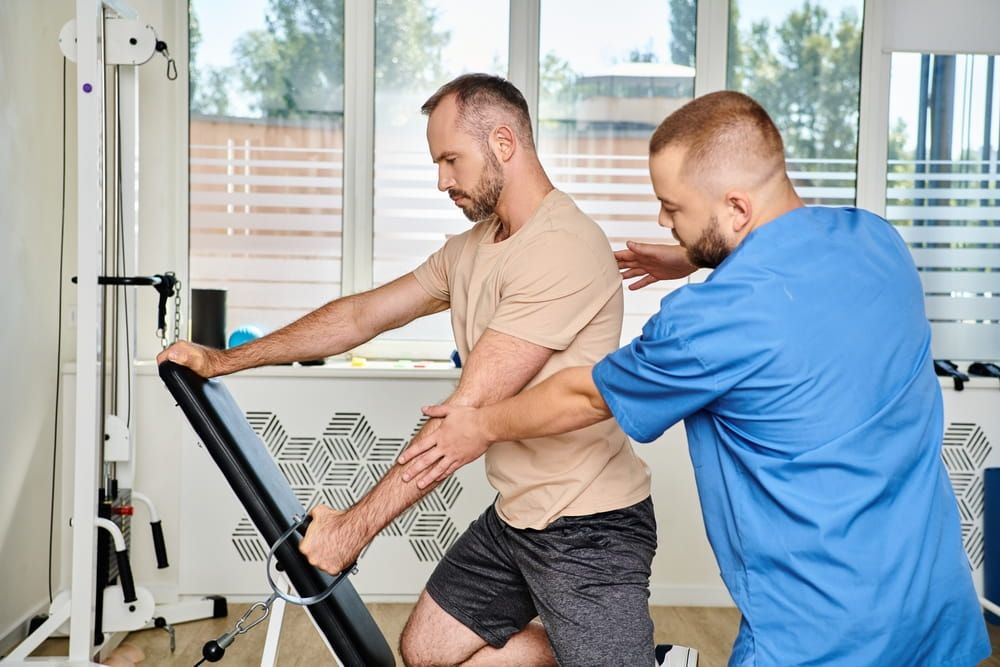
Regaining strength and mobility after orthopedic surgery or injury requires a structured exercise routine. Gentle stretching and low-impact movements are often recommended to restore flexibility and prevent stiffness. Physical therapy exercises, when performed consistently, can strengthen surrounding muscles, improve joint stability, and enhance overall mobility. Patients should follow guidelines provided by their healthcare provider to avoid overexertion or movements that could cause injury.
In addition to formal rehabilitation exercises, incorporating light daily activity, such as short walks around the house or simple range-of-motion exercises, can aid circulation and support recovery. It is important to progress gradually, listening to the body’s signals and avoiding any activity that causes sharp pain. Keeping a daily log of exercises and progress can help track improvements and identify areas requiring additional focus.
Nutrition and Lifestyle Considerations
A balanced diet plays a crucial role in orthopedic recovery. Consuming foods rich in protein, calcium, and vitamin D supports bone and tissue healing, while antioxidants from fruits and vegetables help reduce inflammation. Maintaining a healthy weight can reduce stress on joints, which is especially important for patients recovering from knee, hip, or spine surgeries.
Lifestyle habits such as proper sleep, limiting alcohol intake, and avoiding smoking also contribute to a smoother recovery. Quality sleep allows the body to repair tissue and consolidate physical gains from therapy, while smoking and excessive alcohol consumption can interfere with circulation and bone healing. Staying consistent with these healthy habits can create an environment that supports optimal recovery and long-term joint health.
Conclusion
Orthopedic home care is a multifaceted process that includes creating a safe environment, managing pain, adhering to exercises, and maintaining proper nutrition and lifestyle habits. By implementing these strategies, patients can support a smoother and faster recovery. At Dearborn & Associates Institute for Joint Restoration in Fremont, CA, and Menlo Park, CA, Dr. John Dearborn emphasizes that attentive home care is a cornerstone of successful orthopedic outcomes and long-term joint health.
Resources
- Smith, T. O., et al. (2014). Effectiveness of Home-Based Rehabilitation Following Orthopedic Surgery. Journal of Orthopedic Surgery.
- American Academy of Orthopaedic Surgeons. (2020). Postoperative Care and Recovery Guidelines.
- Stevens, J. A., & Sogolow, E. D. (2005). Preventing Falls: What Works. Centers for Disease Control and Prevention.