
Chronic pain is one of the most significant challenges faced by patients undergoing orthopedic surgery. At Dearborn & Associates Institute for Joint Restoration in Fremont and Menlo Park, CA, patients often ask how their pain will be managed not just after surgery but throughout the entire process. Perioperative pain protocols are carefully designed approaches that help patients reduce discomfort, improve recovery, and minimize reliance on long-term opioid medications. Understanding how these strategies work can give patients peace of mind and empower them to actively participate in their own recovery.
Understanding Chronic Pain in Orthopedic Patients
Chronic pain differs from acute pain because it persists beyond the normal healing process. In orthopedics, this pain often stems from arthritis, degenerative joint conditions, or previous injuries. Patients with chronic pain who undergo surgery face unique challenges, as their nervous system may already be sensitized to discomfort. Without proper planning, these individuals are at greater risk of experiencing severe postoperative pain or complications that can delay healing.
By addressing chronic pain in a structured way, perioperative pain protocols aim to interrupt this cycle. The goal is not only to reduce immediate pain but also to prevent it from becoming amplified after surgery. This proactive approach combines different strategies tailored to each patient’s needs, ensuring both comfort and function are preserved as much as possible.
The Purpose of Perioperative Pain Protocols
Perioperative pain protocols are designed to provide consistent, evidence-based management of pain before, during, and after surgery. These protocols focus on improving patient safety while reducing unnecessary exposure to narcotic medications. Instead of relying solely on one type of intervention, such as opioids, protocols incorporate multimodal pain management. This means that different types of medications, therapies, and techniques are combined to address pain from multiple angles.
The benefit of using protocols is that patients experience more predictable pain relief, shorter hospital stays, and faster return to mobility. In addition, they lower the risk of opioid dependency, which has become a growing concern in postoperative care. These protocols are an essential part of modern orthopedic practice, reflecting advances in both medical research and patient-centered care.
Preoperative Strategies for Pain Management
Preparation for surgery begins well before the procedure itself. Preoperative planning is critical for patients with chronic pain, as it sets the foundation for how pain will be managed afterward. Physicians often conduct a detailed assessment of a patient’s pain history, current medications, and underlying conditions. This allows the medical team to create a personalized plan that anticipates potential challenges.
Prehabilitation, which involves strengthening and conditioning the body before surgery, is another important component. Patients who engage in gentle exercise or physical therapy before their procedure often report better outcomes and reduced pain afterward. In addition, certain medications may be introduced before surgery to help modulate the nervous system and decrease the risk of heightened pain sensitivity after the operation.
Intraoperative Techniques for Pain Reduction
During surgery, multiple techniques are used to minimize pain and inflammation. Advances in anesthesia have allowed physicians to tailor pain control to individual patients. Regional anesthesia, such as spinal or epidural blocks, may be used in conjunction with general anesthesia to target specific areas of the body. These methods not only reduce pain during surgery but can also extend relief into the early recovery period.
Surgeons may also use local anesthetics at the surgical site, which provide immediate pain control following the operation. Additionally, minimally invasive surgical techniques are increasingly being used in orthopedics. These approaches reduce tissue trauma, blood loss, and recovery time, all of which contribute to lower postoperative pain levels.
Postoperative Pain Protocols
Once surgery is completed, the focus shifts to maintaining comfort while encouraging mobility. Postoperative protocols often involve a combination of non-opioid medications, including acetaminophen, nonsteroidal anti-inflammatory drugs (NSAIDs), and nerve pain medications. Opioids may be prescribed, but they are generally used at the lowest effective dose for the shortest possible duration.
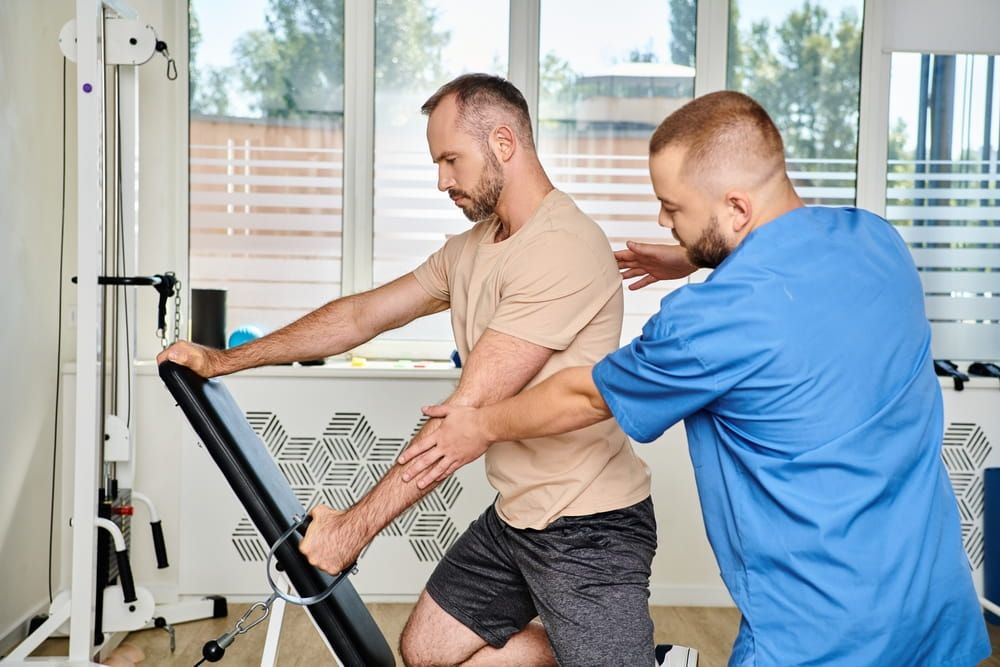
Physical therapy begins soon after surgery, which helps patients regain strength, flexibility, and function while preventing stiffness. Early movement is critical, as it not only promotes healing but also helps reduce the intensity of pain by keeping joints and muscles active. Pain management protocols are designed to make this process more tolerable, ensuring that patients can progress in their recovery without unnecessary discomfort.
Multimodal Pain Management
A key principle in perioperative protocols is multimodal pain management. This approach combines different treatments that work together to reduce pain in complementary ways. By using multiple interventions, physicians can minimize the need for strong narcotic medications while still achieving effective relief.
- Medications: NSAIDs, acetaminophen, and nerve stabilizers
- Regional anesthesia: Nerve blocks and epidurals
- Physical therapy: Guided exercise and mobility training
- Non-medication techniques: Ice therapy, relaxation exercises, and mindfulness
This comprehensive strategy ensures that patients benefit from both immediate pain relief and long-term improvements in comfort and mobility.
The Importance of Patient Education
An often-overlooked part of perioperative pain protocols is patient education. When patients understand what to expect before, during, and after surgery, they are better prepared to manage their pain and recovery. Education includes setting realistic expectations, teaching safe use of medications, and explaining non-pharmacological methods of pain relief.
Patients who are engaged in their own care tend to feel more in control, which reduces anxiety and can even lower perceived pain levels. Education also empowers individuals to identify warning signs of complications, such as excessive swelling or infection, and seek timely medical help.
Long-Term Benefits of Perioperative Protocols
Perioperative pain management does more than just reduce discomfort in the days following surgery. By taking a proactive and structured approach, these protocols can reduce the likelihood of developing long-term pain conditions. They also improve overall outcomes by encouraging faster rehabilitation, greater independence, and better quality of life.
At Dearborn & Associates Institute for Joint Restoration in Fremont and Menlo Park, patients are often reassured to know that pain control is a priority from start to finish. Understanding perioperative pain protocols gives individuals the knowledge they need to approach surgery with confidence and optimism, knowing that every step has been carefully planned to support their recovery.
Sources
Chou, R., Gordon, D. B., de Leon-Casasola, O. A., et al. (2016). Management of Postoperative Pain: A Clinical Practice Guideline. Journal of Pain.
Kehlet, H., & Dahl, J. B. (2003). Anaesthesia, surgery, and challenges in postoperative recovery. The Lancet.
Joshi, G. P., & Ogunnaike, B. O. (2005). Consequences of inadequate postoperative pain relief and chronic persistent postoperative pain. Anesthesiology Clinics of North America.